.png)

How Coir Products Support Biodiversity in Agriculture


Modern agriculture faces a growing challenge: increasing productivity while restoring ecological balance. Intensive farming practices have improved yields but often at the cost of soil health, microbial diversity, and natural ecosystems.
As regenerative agriculture gains momentum globally, natural materials such as coir products in agriculture are emerging as practical tools to support biodiversity without compromising performance.
Why Biodiversity Matters in Modern Farming
Biodiversity in agriculture goes beyond wildlife. It includes:
Soil microorganisms
Beneficial fungi
Pollinators
Natural pest predators
Diverse root systems
Healthy biodiversity improves nutrient cycling, enhances soil structure, reduces chemical dependency, and increases long-term resilience against climate stress.
The growing medium and soil amendment choices play a critical role in enabling this balance.
The Natural Composition of Coir and Its Ecological Role
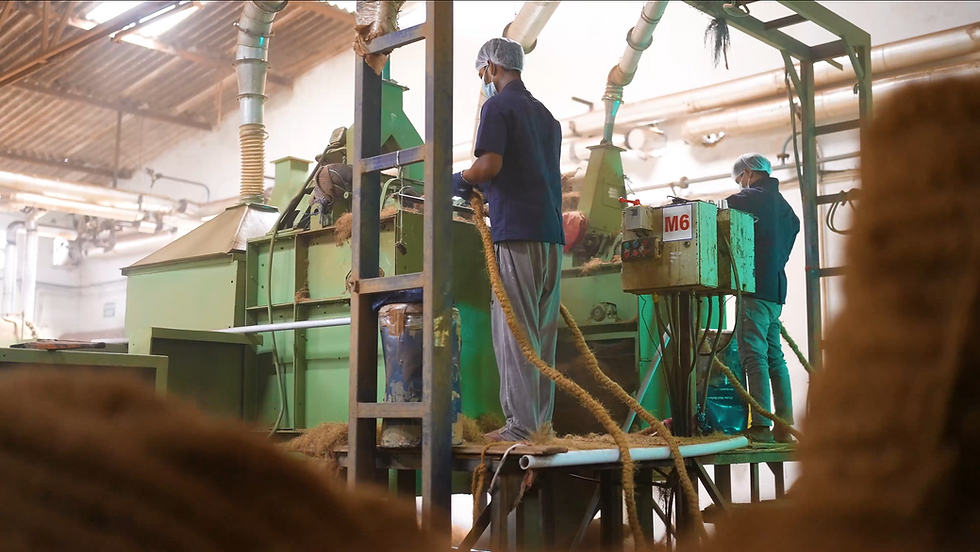
Coconut coir is derived from coconut husk fiber, a renewable agricultural byproduct. Unlike synthetic substrates, coir is organic, biodegradable, and compatible with natural soil ecosystems.
When used in agriculture, coir products contribute to:
Improved soil aeration
Enhanced moisture retention
Increased microbial activity
Reduced soil compaction
This creates an environment where beneficial organisms can thrive.
Supporting Soil Microbial Diversity
Soil microorganisms are essential for nutrient availability and plant health. Coir’s porous structure provides an ideal habitat for beneficial bacteria and fungi.
Its balanced water-holding capacity ensures that microbial populations remain active without waterlogging. This stability supports natural nutrient cycling and reduces reliance on chemical inputs.
For organic and regenerative farms, this is particularly valuable.
Reducing Soil Degradation and Erosion
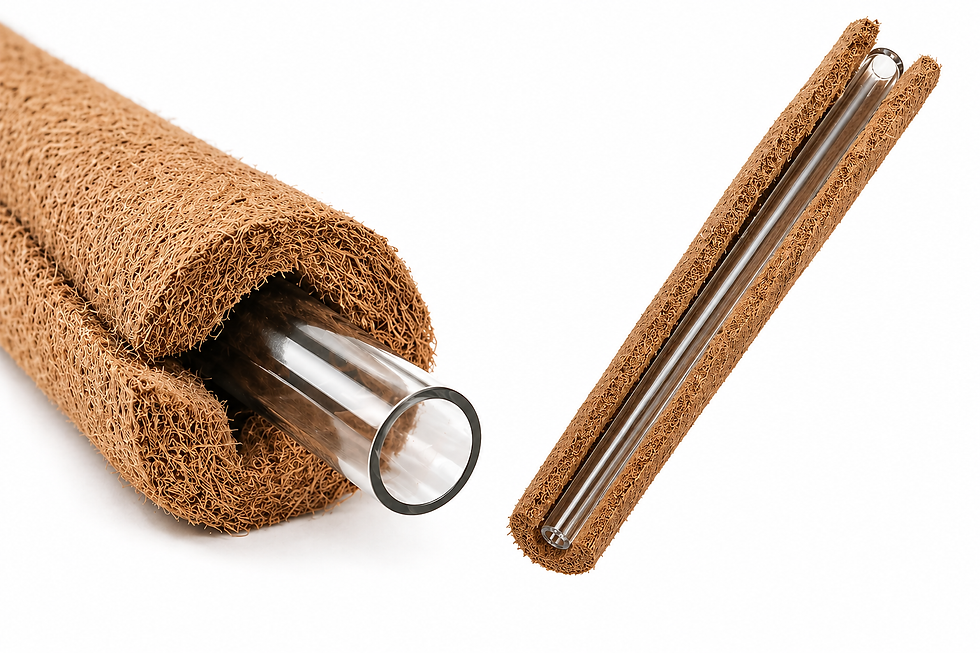
Coir products such as coir mulch mats and coir geotextiles help protect topsoil from erosion caused by wind and water.
By stabilizing soil surfaces, coir:
Preserves microbial layers
Supports root system development
Protects young plants
Encourages native vegetation growth
In large-scale agricultural landscapes, soil conservation directly influences biodiversity preservation.
Enhancing Root Development and Plant Diversity
Healthy root systems are foundational to agricultural biodiversity. Coir-based growing media improve root penetration and oxygen availability.
Better root development allows crops to:
Access nutrients efficiently
Withstand drought conditions
Compete naturally with weeds
Establish stronger symbiotic relationships with soil organisms
This supports diversified cropping systems and intercropping practices.
A Sustainable Alternative to Peat and Synthetic Inputs
Peat extraction and synthetic growing media often disrupt ecosystems. In contrast, coir is:
Renewable
Biodegradable
Derived from agricultural waste
Suitable for organic cultivation (subject to certification)
For buyers aligned with sustainability and ESG goals, sourcing coir products in agriculture supports environmental responsibility across the supply chain.
Applications of Coir Products in Biodiversity-Focused Agriculture
Coir products are widely used in:
Organic farming systems
Regenerative agriculture projects
Seed starting and propagation
Hydroponic cultivation
Mulching and soil conditioning
Erosion control in farmland
For agricultural distributors and commercial growers, coir provides a scalable solution that aligns productivity with ecological restoration.
Technical Considerations for Professional Buyers
When sourcing coir products for agricultural use, buyers typically evaluate:
EC levels
Moisture percentage
Fiber-to-pith ratio
Expansion ratio
Compostability standards
Bulk supply consistency
Reliable processing and quality control ensure uniform performance across growing cycles.
Strengthening Agricultural Resilience Through Natural Inputs
Global agriculture is shifting toward practices that restore soil health and protect ecosystems. Supporting biodiversity is no longer optional, it is a long-term investment in productivity and resilience.
Coir products in agriculture offer a balance between sustainability, soil health enhancement, and commercial scalability.
For growers, distributors, and agricultural solution providers, incorporating coir into farming systems represents a practical step toward regenerative and biodiversity-friendly agriculture.
Bulk & Agricultural Supply
We support commercial farms, agricultural distributors, and regenerative projects with customized coir substrates, mulch mats, and bulk export-ready supply.
For technical specifications or partnership inquiries, connect with our team.

Comments