.png)

The Benefits of Coir for Indoor Plant Care: A Sustainable Alternative for Modern Retail & Commercial Growers


Indoor plant demand has surged globally over the past five years, driven by urban living trends, wellness culture, and sustainable lifestyle preferences. However, traditional growing media such as peat moss are facing regulatory pressure and environmental criticism, particularly across Europe and North America.
As retailers and importers look for sustainable, scalable alternatives, coconut coir has emerged as a reliable solution for indoor plant care.
This article explores the commercial and technical benefits of coir for indoor plant applications.
Why Indoor Plant Retailers Are Moving Away from Peat
Peat extraction contributes to:
Carbon emissions
Wetland destruction
Increasing regulatory restrictions in the EU
With countries gradually restricting peat usage, buyers are actively seeking renewable growing substrates that meet sustainability standards while maintaining plant performance.
Coconut coir provides that balance.
What is Coir Growing Medium?

Coir is derived from coconut husk fiber and processed into various forms:
Coir pith (coco peat)
Coir chips
Coir fiber blends
Compressed coir blocks and bricks
For indoor plants, buffered low-EC coco peat blends are most commonly used.
Key Benefits of Coir for Indoor Plant Care
1. Excellent Water Retention with Proper Drainage
Coir retains up to 8–9 times its weight in water while maintaining air porosity.
For indoor plants, this means:
Reduced overwatering risk
Stable moisture levels
Improved root development
Commercial growers benefit from fewer watering cycles and consistent plant quality.
2. Low EC Options for Sensitive Indoor Plants
High-quality coir can be processed to achieve:
EC below 0.5 mS/cm (washed grade)
Buffered to remove excess sodium and potassium
This makes it suitable for:
Houseplants
Ornamental foliage
Propagation trays
Microgreens
Low EC is especially important for export-focused nurseries and premium plant retailers.
3. Sustainable & Renewable Growing Medium
Unlike peat, coir is:
A renewable byproduct of the coconut industry
Biodegradable
Compostable
Suitable for organic cultivation (depending on certification)
This supports ESG goals for international brands and retailers.
4. Lightweight & Export Efficient
Coir can be compressed up to 5:1 ratio, enabling:
High container load efficiency
Reduced freight cost per unit
Lower warehouse space requirements
For B2B importers, this translates into better landed cost control.
5. Mold & Odor Resistance (When Properly Processed)
Properly dried and processed coir:
Resists fungal growth
Has neutral odor
Maintains shelf stability
This is essential for indoor retail environments where product quality directly affects brand perception.
Commercial Applications in Indoor Plant Segment
Coir-based substrates support vertical indoor plant systems with excellent water retention and aerat Coconut coir supports healthy root development in indoor plant and microgreen systems.
Coconut coir is widely used in:
Indoor plant potting mixes
Retail-ready grow kits
Hydroponic indoor systems
Microgreen cultivation
Self-watering planter systems
It is compatible with fertilizers and nutrient programs, making it suitable for professional growers.
Technical Specifications Buyers Should Consider
When sourcing coir for indoor plant care, international buyers should evaluate:
EC Level (washed / unwashed)
Moisture %
Expansion ratio
Particle size grading
Compression ratio
Packaging format (5kg blocks, 650g bricks, grow bags)
Lead time & export documentation
Consistency is critical for private label programs.
Why Reliable Manufacturing Matters
For importers and distributors, supply chain stability is as important as product performance.
Key sourcing factors include:
ISO-certified manufacturing
Controlled washing & buffering process
Custom blending capability
Private label packaging
FOB / CIF shipping options
Short lead time
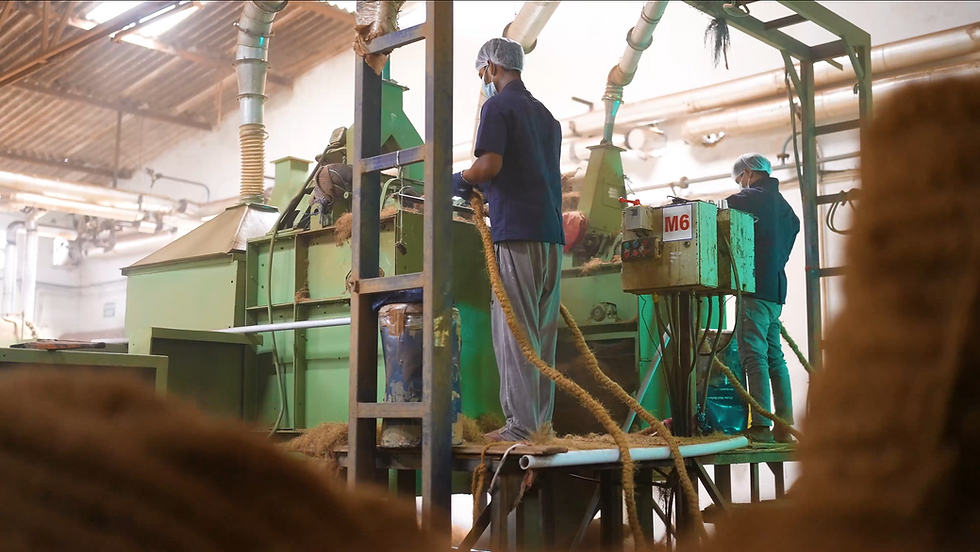
Working with an export-ready manufacturer ensures quality uniformity across shipments.
The Growing Future of Coir in Indoor Plant Care
As sustainability regulations tighten and indoor plant demand continues to grow, coconut coir is positioned as a long-term alternative to peat-based substrates.
For retailers and distributors seeking renewable, scalable, and cost-efficient growing media, coir offers both environmental and commercial advantages.
Bulk & Private Label Supply Available
We work with international distributors, garden brands, and private label buyers across Europe, USA, Australia, and the Middle East.
For technical data sheets, sample requests, or bulk pricing, contact our export team.

Comments