.png)

Coir Products for Stormwater Management: A Sustainable Global Solution for Erosion Control

Coir erosion control blanket and coir log installed for slope stabilization and stormwater managemen ulk coir erosion control logs ready for infrastructure and environmental stormwater projects. Biodegradable coir logs used for riverbank protection, sediment control, and sustainable stormwater
Why Stormwater Management Is a Global Challenge
Across the world, increasing urban development and extreme weather events have intensified stormwater runoff problems. From coastal regions to inland construction sites, unmanaged runoff leads to:
Soil erosion
Flooding
Sediment pollution in rivers and lakes
Damage to infrastructure
Degradation of ecosystems
Traditional stormwater control methods often rely on synthetic materials that may not support long-term ecological health. This has driven global demand for sustainable stormwater management solutions.
One of the most effective natural alternatives is coir products for stormwater management.
What Are Coir Products?
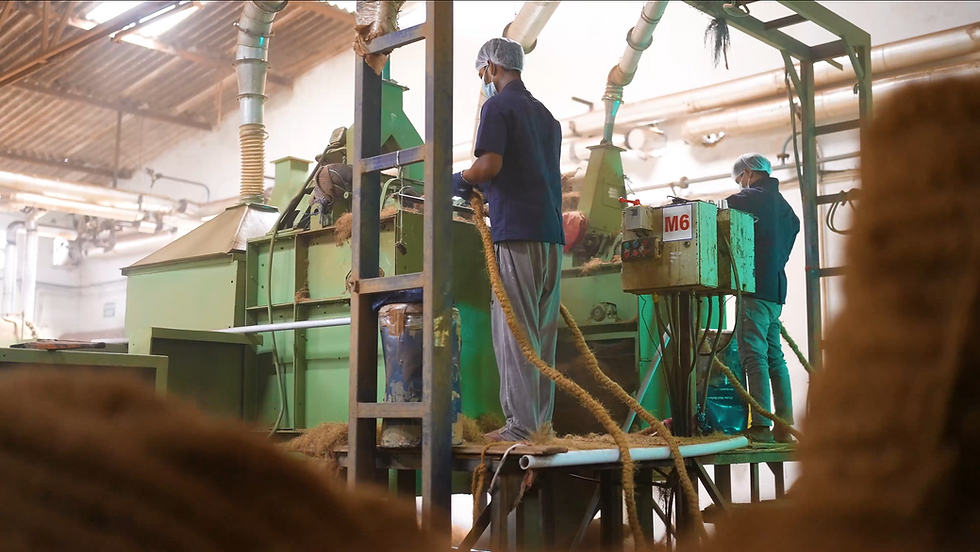
Coir is a natural fiber extracted from the outer husk of coconuts. Known for its durability, water resistance, and biodegradability, coir has become widely used in:
Erosion control systems
Soil stabilization projects
Riverbank protection
Landscaping and environmental restoration
Coir products are especially valued in global markets because they combine strength, sustainability, and environmental compatibility.
How Coir Products Improve Stormwater Management
Coir products play a crucial role in managing stormwater runoff by addressing both immediate erosion control and long-term soil stabilization.
Reducing Runoff Velocity
Coir mats, logs, and wattles slow down the flow of stormwater. By reducing water speed, they minimize soil displacement and prevent severe erosion.
Trapping Sediment
Stormwater often carries sediment and pollutants into nearby water bodies. Coir fiber structures act as natural filters, trapping sediment before it contaminates rivers, lakes, or coastal areas.
Enhancing Water Infiltration
Unlike impermeable materials, coir allows water to gradually seep into the soil, replenishing groundwater instead of contributing to flash flooding.
Supporting Vegetation Growth
Coir creates a protective micro-environment that promotes seed germination and root development. As vegetation establishes, it provides additional natural reinforcement against erosion.
Types of Coir Products Used in Stormwater Management
1.Coir Mats and Blankets
Coir erosion control mats are laid over exposed soil surfaces on slopes, embankments, and drainage channels. They provide immediate protection against rainfall impact and surface runoff.
Key Benefits:
Prevents soil loss during heavy rain
Encourages vegetation growth
Fully biodegradable
Suitable for global climate conditions
2.Coir Logs (Coir Fiber Rolls)
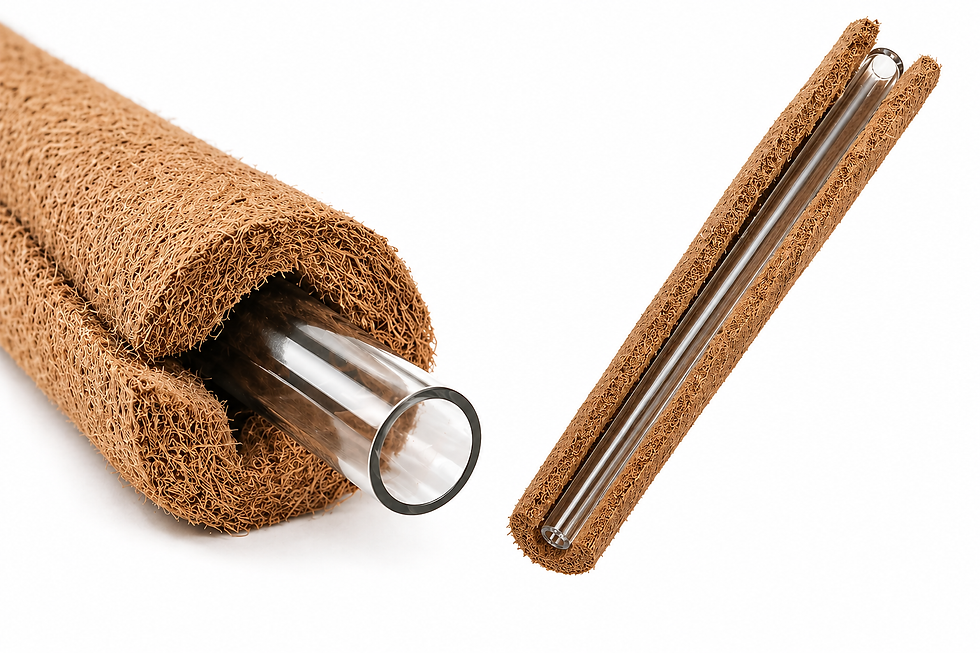
Coir logs are cylindrical bundles of compacted coconut fiber used along:
Shorelines
Riverbanks
Drainage channels
Construction perimeters
They act as barriers that slow water flow and stabilize vulnerable areas.
Why They Work Globally:
Coir logs perform effectively in tropical, temperate, and coastal environments due to their natural resistance to saltwater and moisture.
3.Coir Wattles
Coir wattles are tubular sediment control devices placed along slopes or around storm drains. They are widely used in construction sites worldwide as part of stormwater Best Management Practices (BMPs).
Applications Include:
Highway construction
Urban development projects
Land restoration initiatives
Mining site rehabilitation
Environmental Benefits of Coir in Stormwater Control

Choosing coir products over synthetic alternatives offers multiple environmental advantages:
100% biodegradable and eco-friendly
No plastic waste or long-term residue
Improves soil organic content as it decomposes
Supports sustainable landscaping practices
Reduces carbon footprint compared to synthetic geotextiles
As sustainability regulations become stricter globally, natural erosion control materials like coir are gaining increasing preference.
Where Are Coir Products Used Worldwide?
Coir products are widely adopted in:
Coastal protection projects in Southeast Asia
Riverbank stabilization in Europe
Construction site erosion control in North America
Infrastructure projects in the Middle East
Landscape restoration in Australia
Their adaptability makes them suitable for diverse soil types and climatic conditions.
Coir vs Synthetic Erosion Control Materials
Feature | Coir Products | Synthetic Materials |
Biodegradable | ✔ Yes | ✘ No |
Soil Improvement | ✔ Adds organic matter | ✘ No soil benefit |
Environmental Impact | Low | Higher plastic footprint |
Vegetation Support | Excellent | Limited |
Sustainability | High | Moderate to Low |
For projects focused on sustainable stormwater infrastructure, coir provides both performance and environmental value.
When Should You Use Coir Products?
Coir products are ideal for:
Sloped landscapes prone to erosion
Construction sites requiring sediment control
River and shoreline stabilization
Green infrastructure projects
Sustainable urban drainage systems (SUDS)
Eco-restoration and reforestation efforts
Conclusion: A Natural Approach to Global Stormwater Management
As climate patterns shift and environmental regulations tighten worldwide, the need for sustainable stormwater management solutions continues to grow.
Coir products for stormwater management offer a powerful, natural alternative to synthetic systems. By reducing erosion, improving soil stability, and supporting vegetation growth, coir helps protect landscapes while working in harmony with nature.
For engineers, landscape architects, contractors, and environmental planners seeking eco-friendly erosion control solutions, coir remains one of the most reliable and globally adaptable options available today.

Comments