.png)

Coconut Coir Scrubbers vs. Synthetic Sponges: Performance, Microplastics, and Private-Label Supply


Every time you wash dishes with a melamine foam sponge, it sheds approximately 6.5 million microplastic fibres per gram of worn material. A 2026 study from the University of Bonn confirmed that sponges with higher plastic content shed significantly more — and most of the shedding happens in the first few hundred uses, meaning brand-new sponges are the worst offenders. Those fibres go down the drain, through water treatment systems that can’t filter them, and into rivers and oceans. Coconut coir scrubbers shed zero microplastics. They clean as aggressively as synthetic pads, dry faster, and compost at end of life. For eco brands, grocery chains, and hospitality buyers sourcing wholesale scrubbers, the switch isn’t just environmental — it’s commercial.
Do They Actually Clean as Well?
Yes. Coir fibre is naturally abrasive — the coarse, rigid structure of coconut husk fibre cuts through baked-on grease, burnt food, and stains without needing chemical cleaners. It’s tough enough for cast iron and stainless steel but won’t scratch non-stick coatings, ceramic, or glass cooktops. The key performance difference: coir dries significantly faster than polyurethane sponges between uses. Synthetic sponges stay wet, harbour bacteria, and develop odour within days. Coir’s open fibre structure allows airflow through the pad, which means it dries between washes and stays odour-free longer.
The Microplastic Problem Your Customers Care About
This isn’t a fringe concern anymore. Consumers are reading headlines about microplastics in blood, breast milk, and drinking water. A product that actively generates microplastics every time it’s used is a liability for any brand positioning itself as sustainable, natural, or health-conscious. Coir scrubbers eliminate that liability entirely. The material is 100% plant fibre — coconut husk with cotton or coir yarn stitching. When it wears down, it sheds natural fibre that biodegrades. When it’s done, it composts. No plastic at any point in the product’s lifecycle.

Private-Label Supply: How Brands Are Selling Coir Scrubbers
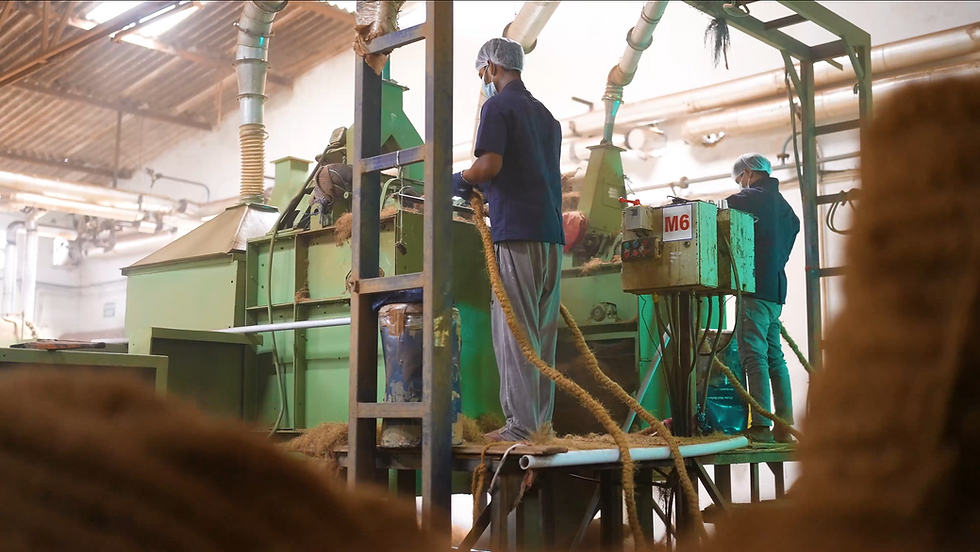
This is where the commercial opportunity sits. We manufacture coir kitchen scrubbers and bath scrubbers at our ISO-certified facility and supply them to eco brands, grocery chains, hotel groups, and subscription box companies globally. What we offer for private-label buyers:
Custom sizing and shape. Standard pad, disc, or rectangular formats. Custom dimensions on request.
Custom stitching patterns. Decorative or functional — your design, our manufacturing.
Branded packaging. Retail-ready packaging with your logo, brand colours, and messaging. Shelf-ready for grocery, pharmacy, or DTC fulfilment.
Bath scrubber variant. Round disc format for body exfoliation. Same natural fibre, gentler weave. Targets spa, wellness, and personal care brands.
Quote in 24 hours. Send us your specs — size, quantity, branding requirements — and we respond same day.
➤ Looking to private-label coir scrubbers?
Custom sizing, branding, and retail-ready packaging. Kitchen and bath formats. We respond within 24 hours.
WhatsApp: +91 95662 94433 | Email: hello@adhiannamcoir.com
Product page: Coir Scrubbers
Who’s Already Buying
Eco kitchen brands. Zero-waste and sustainable homeware lines using coir scrubbers as a hero SKU. The product photographs well and tells its own sustainability story on shelf.
Grocery and supermarket chains. Shelf-ready natural fibre scrubbers for household cleaning aisles. Growing faster than synthetic alternatives in stores with eco-conscious demographics.
Hotels and hospitality. Kitchen and housekeeping scrubbers aligned with corporate sustainability commitments and guest-facing environmental messaging.
Subscription boxes. Compact, lightweight, visually distinctive item for eco-lifestyle and zero-waste subscription kits. Ships easily, looks great in unboxing content.
Commercial kitchens. Heavy-duty natural scrubbers for pots, pans, and food-prep surfaces. No chemical residue. No microplastic contamination in food-contact environments.
Trade-Offs
Shorter lifespan than synthetic. A coir scrubber lasts 4–8 weeks of regular use. A polyurethane sponge can last longer — but it’s shedding microplastics the entire time. The replacement cycle is a feature, not a bug: it’s also a repeat-purchase driver for retail brands.
Firmer texture. Coir is naturally coarse. Some consumers used to soft polyurethane sponges find it too rough initially. The bath scrubber variant uses a finer weave for skin contact. For kitchen use, the firmness is an advantage — it cleans faster with less effort.
Not a foam sponge. Coir doesn’t lather or hold suds the way foam does. It’s a scrub pad, not a sponge in the traditional sense. Brands that position it correctly — as a natural cleaning tool, not a sponge replacement — see better customer satisfaction.
➤ Get Wholesale Pricing on Coir Scrubbers
Kitchen scrubbers and bath scrubbers. Custom sizing, stitching, and branded packaging. ISO 9001 & ISO 14001 certified. 4–6 week lead time.
Request a Quote or Samples:
WhatsApp: +91 95662 94433
Email: hello@adhiannamcoir.com
Product Page: Coir Scrubbers — Home Application
Contact: Get in Touch

Comments