.png)

Coir’s Role in Reducing Carbon Footprint in Horticulture

The horticulture industry is undergoing a major transition as sustainability becomes a key priority for growers, retailers, and regulators worldwide. Increasing scrutiny on environmental impact has pushed the sector to evaluate the carbon footprint associated with traditional growing media and cultivation practices.
In this context, coir in horticulture is emerging as a practical solution for reducing environmental impact while maintaining high performance in commercial growing systems.
Derived from coconut husk fiber, coir provides a renewable growing medium that supports sustainable horticulture practices without compromising plant productivity.
Why Carbon Footprint Matters in Modern Horticulture
Horticulture production involves several environmental factors that contribute to greenhouse gas emissions, including substrate extraction, transportation, irrigation, and fertilizer use.
Traditional growing media such as peat have come under increasing regulatory pressure due to their ecological impact. Peatland harvesting releases stored carbon and damages fragile ecosystems, leading many regions to promote peat-free alternatives.
Reducing the carbon footprint of horticultural inputs has therefore become an important focus for growers and supply chains alike.
Renewable Origin of Coconut Coir

One of the primary reasons coir in horticulture supports carbon reduction is its renewable origin.
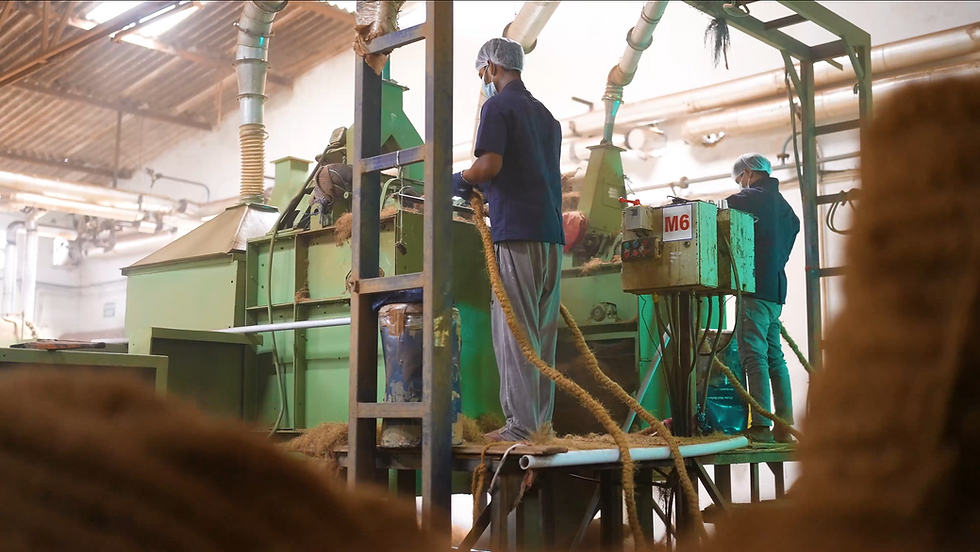
Coconut coir is derived from the husk of coconuts, which is a byproduct of the coconut industry. Instead of being discarded as agricultural waste, the fiber is processed into valuable horticultural substrates.
This circular use of natural resources reduces waste while creating a sustainable growing medium suitable for large-scale horticulture operations.
Reduced Environmental Impact Compared to Peat
Peatlands act as major global carbon sinks. Extracting peat for horticulture disrupts these ecosystems and releases stored carbon into the atmosphere.
Coir offers a viable alternative that avoids this environmental disruption. Because it is sourced from an agricultural byproduct rather than natural ecosystems, its extraction does not involve the same level of ecological damage.
For horticulture businesses aiming to meet sustainability targets, transitioning toward coir-based substrates can significantly reduce the environmental footprint of growing operations.
Efficient Water Management and Resource Conservation
Another way coir in horticulture contributes to carbon reduction is through improved water efficiency.
Coir has the ability to retain several times its weight in water while maintaining excellent aeration. This balance allows growers to reduce irrigation frequency and optimize water use.
Lower water consumption translates into reduced energy demand for irrigation systems, particularly in controlled environment agriculture and greenhouse production.
Supporting Sustainable Growing Systems
Coir substrates integrate easily with modern horticultural production systems, including greenhouse cultivation, hydroponics, and nursery operations.
Because of its stable structure and balanced moisture retention, coir supports consistent plant growth across a wide range of crops. This stability helps growers achieve efficient yields while minimizing waste and resource consumption.
For commercial horticulture operations, this combination of sustainability and performance is increasingly important.
Scalable Supply for Commercial Horticulture
Beyond its environmental benefits, coir also offers logistical advantages for large-scale horticulture supply chains.
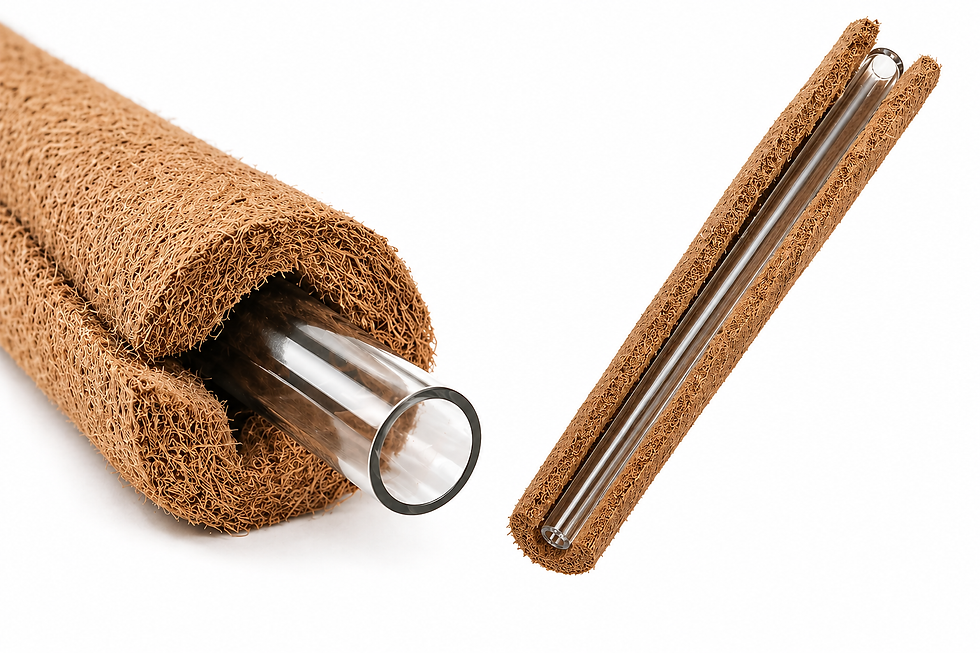
Coir substrates can be compressed into blocks and bricks, allowing efficient container loading and reducing transportation volume. This compression improves shipping efficiency and helps reduce emissions associated with long-distance transport.
For distributors and commercial growers, reliable bulk supply and consistent substrate quality are key factors when selecting sustainable growing media.
Moving Toward Low-Carbon Horticulture
As sustainability commitments become central to horticulture production, growers and suppliers are evaluating every component of the cultivation process.
Selecting environmentally responsible substrates is one of the most practical steps toward reducing overall carbon impact.
By combining renewable sourcing, efficient water management, and compatibility with modern growing systems, coir in horticulture offers a pathway toward lower-carbon horticulture practices.
Bulk Supply for Commercial Growers
We work with horticulture distributors, commercial growers, and greenhouse operators by providing export-ready coir substrates, customized products, customized blends, and bulk supply for sustainable growing systems.
For technical specifications or partnership inquiries, connect with our team.

Comments