.png)

Coir Bubble Wrap vs. PE Bubble Wrap: The Packaging Switch That Cuts Plastic Waste


Plastic bubble wrap is one of those materials nobody thinks about until it becomes a problem. It cushions the product, gets torn off in seconds, and then lingers — in a bin, a landfill, or as fragments in the environment — for centuries. For a brand shipping thousands of parcels a month, that adds up to a lot of single-use plastic tied directly to its name. As India tightens plastic-waste rules and buyers increasingly notice what their orders are wrapped in, coir bubble wrap — cushioning made from coconut fibre — has emerged as a like-for-like replacement that does the same job without the plastic tail. Here is how the two compare and where the switch makes sense.
What is coir bubble wrap?
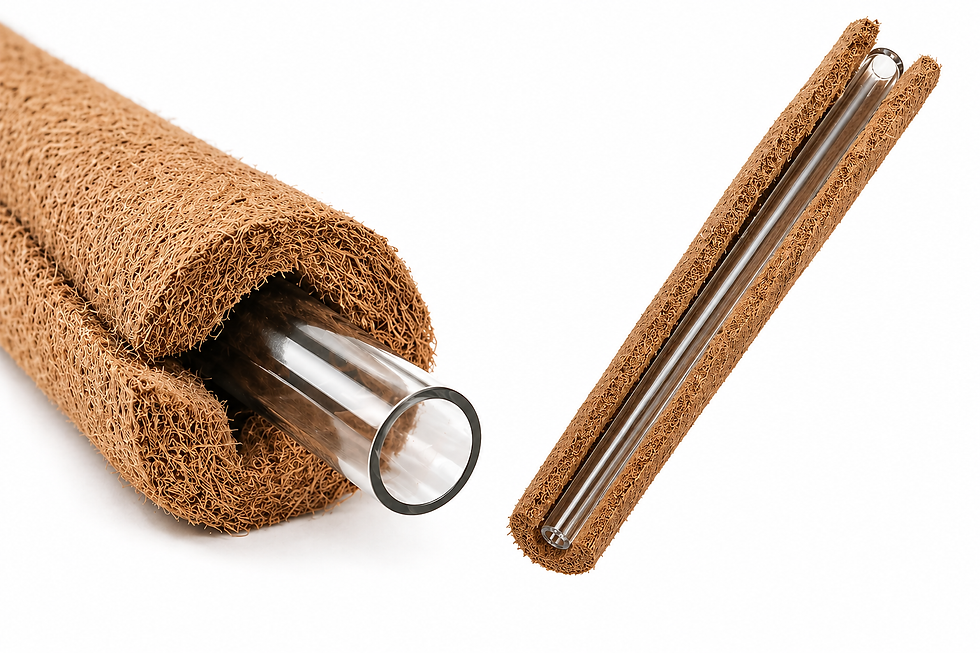
Coir bubble wrap is a cushioning material made from natural coconut fibre bonded with latex, designed as a drop-in replacement for plastic (polyethylene) bubble wrap. It protects fragile goods in shipping using the natural spring of the fibre, and biodegrades at end of life instead of persisting as plastic waste.
The cushioning works differently from plastic, even though the job is the same. Plastic bubble wrap traps pockets of air inside a film; when those bubbles compress, they absorb the shock. Coir bubble wrap uses the natural springiness of coconut fibre — the same resilience that lets a coir mattress hold its shape — to absorb impacts and rebound. There is no air pocket to pop and no film to shred into fragments. When the parcel is opened, what is left is a natural fibre sheet that goes into compost, not the plastic bin.
How does coir bubble wrap compare to plastic on cost and compliance?
Coir bubble wrap costs more per sheet than commodity plastic, but avoids the plastic-waste liability that Indian regulations increasingly attach to polyethylene packaging. As Extended Producer Responsibility (EPR) rules under India’s Plastic Waste Management framework tighten, the disposal and reporting burden falls on plastic; coir, as a natural fibre, sits outside that burden.[1]
India’s Plastic Waste Management Rules place EPR obligations on producers, importers, and brand owners for the plastic packaging they put into the market[1]. That means the true cost of plastic bubble wrap is no longer just the purchase price — it includes registration, reporting, and recycling obligations. Coir bubble wrap and the wider packaging range avoid that entirely because they are not plastic. For a brand doing the maths on total packaging cost, the gap between coir and plastic narrows once these obligations are counted, not just the sticker price of the roll.

Which products suit coir bubble wrap?
Coir bubble wrap suits electronics, glassware, ceramics, cosmetics, and other fragile retail and e-commerce goods that need wrap-style cushioning. For very heavy or sharp items it works alongside rigid coir inserts and corner protection, just as plastic bubble wrap is combined with other materials in a full packaging system.
In practice, brands are using it across a familiar range of shipments:
• Electronics — devices, sensors, and components in retail and e-commerce boxes.
• Glassware and ceramics — bottles, drinkware, and decorative items that need wrap protection.
• Cosmetics and personal care — where the plastic-free wrap reinforces a clean-beauty brand position.
• Artisan and D2C goods — small-batch products where the unboxing experience is part of the brand.
The honest boundary: coir bubble wrap is a wrap-and-cushion material, not a structural one. Extremely heavy items, or products with sharp edges that concentrate force, still need rigid inserts or corner caps in the box. Used the way plastic bubble wrap is used — as the soft protective layer in a considered packaging system — it performs. Asked to do a rigid crate’s job, it will not.
➤ Switching your packaging away from plastic?Tell us what you ship and your monthly volumes. We’ll recommend a coir bubble wrap spec and can send samples for a packing trial.
WhatsApp: +91 95662 94433 | Email: hello@adhiannamcoir.com
Product page: Coir Packaging Solutions
Frequently Asked Questions
Does coir bubble wrap protect as well as plastic bubble wrap?
Coir bubble wrap cushions fragile goods effectively for most retail and e-commerce shipping, using the natural spring of coconut fibre bonded with latex to absorb shocks. It performs well for electronics, glassware, ceramics, and cosmetics. For extremely heavy or sharp-edged items it is used alongside rigid inserts, the same way plastic bubble wrap is combined with corner protection.
Is coir bubble wrap more expensive than plastic?
Per sheet, coir bubble wrap costs more than commodity plastic bubble wrap because it is a natural, manufactured material rather than an extruded petrochemical film. The value case shifts once brands account for plastic-waste regulations, disposal, and the growing consumer preference for plastic-free packaging. For sustainability-positioned brands, the difference reads as brand investment rather than packaging overhead.
What sizes does coir bubble wrap come in?
Coir bubble wrap is available as 18 by 18 inch sheets (170 g or 200 g) and as rolls of 1 metre by 20 metres, with custom sizes and lengths on request. Density is customisable, so the cushioning weight can be matched to the fragility and weight of the product being wrapped.
Is coir bubble wrap biodegradable?
Yes. Coir bubble wrap is made from natural coconut fibre and a natural latex binder, so it biodegrades and composts at end of life rather than persisting as plastic waste. It also sheds no microplastics during use or disposal, which is a growing concern with conventional polyethylene bubble wrap.
Can coir bubble wrap be branded or printed?
Coir bubble wrap can be supplied in custom sizes and densities suited to a brand's products, and it pairs naturally with branded outer cartons for a consistent unboxing experience. Because the material itself has a distinctive natural texture, many brands use it as a visible signal of their plastic-free commitment rather than printing on it.
Where is coir bubble wrap manufactured?
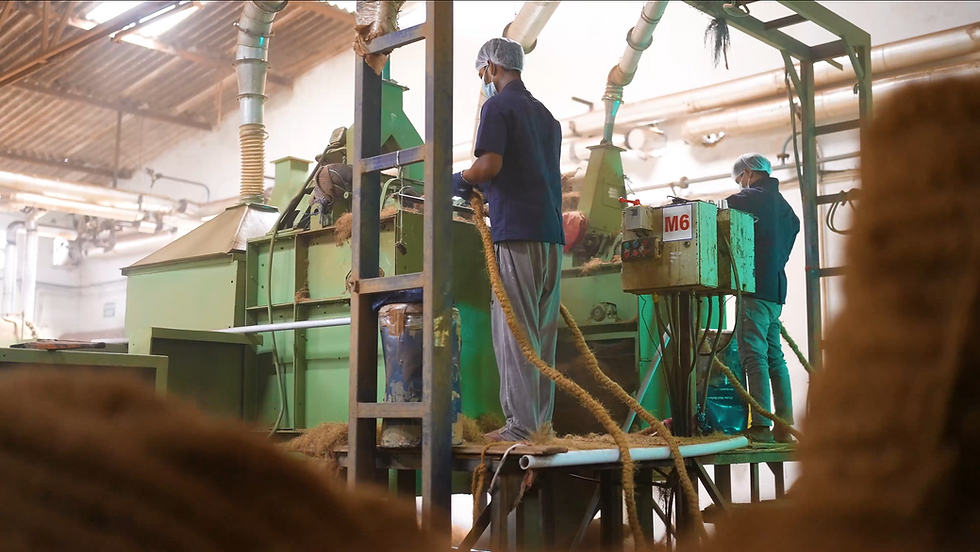
It is manufactured at the Adhi Annam Coir Comforts facility in Pollachi, Tamil Nadu, under ISO 9001:2015 and ISO 14001:2015 certification, with a standard lead time of four to six weeks from order confirmation.
➤ Request Samples or Wholesale PricingCoir bubble wrap in 18″ sheets (170 g / 200 g) and 1m × 20m rolls, custom sizes and densities available. Biodegradable, zero microplastics. ISO 9001 & ISO 14001 certified. 4–6 week lead time.
Get in touch:WhatsApp: +91 95662 94433
Email: hello@adhiannamcoir.com
Product Page: Coir Packaging Solutions
Contact: Talk to Our Team
Related Reading

Comments